
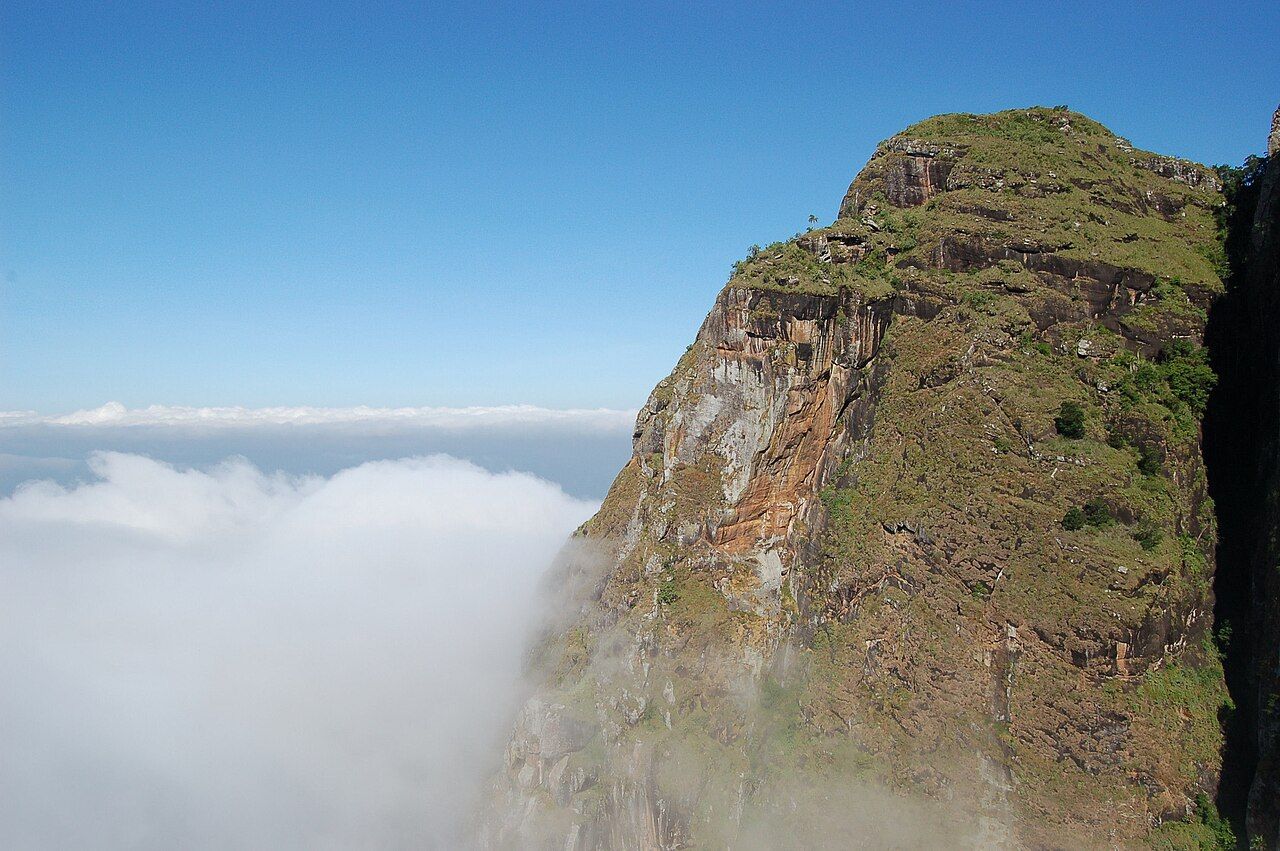
The Usambara Mountains rise steeply from the dry plains of north-east Tanzania, a block of old crystalline rock covered in forest, farms and small villages. Within an hour's climb from the main road, the air turns cool, the land turns green and the pace of life slows. Mornings can be chilly enough for a jumper, and mist often sits in the valleys until the sun burns it off.
The range is divided into the West and East Usambara. The western block, centred on the town of Lushoto, is the easier to reach and the better for walking. The eastern block, around Amani, is wetter and more forested, and draws people who come for birds, plants and quiet.
Lushoto, a hill town
Lushoto sits in a valley in the West Usambara at well over a thousand metres. In the German colonial period the town was a hill station called Wilhelmstal, a retreat from the heat of the coast, and some buildings from that era still stand: stone houses, a church, old administrative buildings with steep roofs. Pine and eucalyptus trees around town add to the feeling of a mountain place.
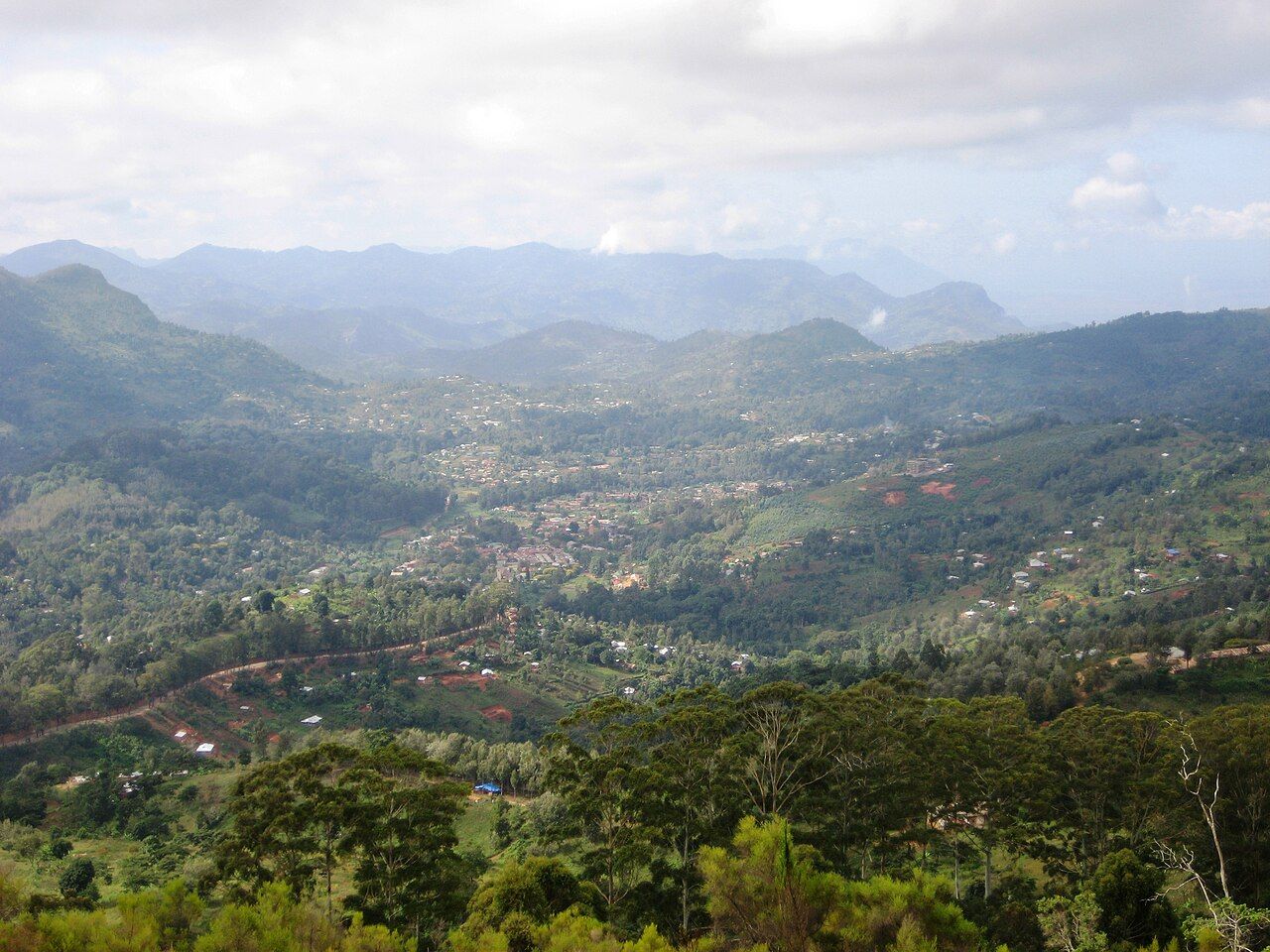
Today Lushoto is a busy market town for the farming villages around it. The main street fills on market days with vegetables, fruit and goods brought in from the hills, and buses come and go towards the plains. It is a good base: simple, friendly and a short walk from countryside in every direction.
Getting there is straightforward. Buses run from Dar es Salaam, Tanga and Arusha to Lushoto, many of them turning off the main road at Mombo and climbing a winding road up the escarpment. The climb itself is part of the journey, with views back over the plains. The guide to buses and getting around covers the wider network.
Irente and the views over the plains
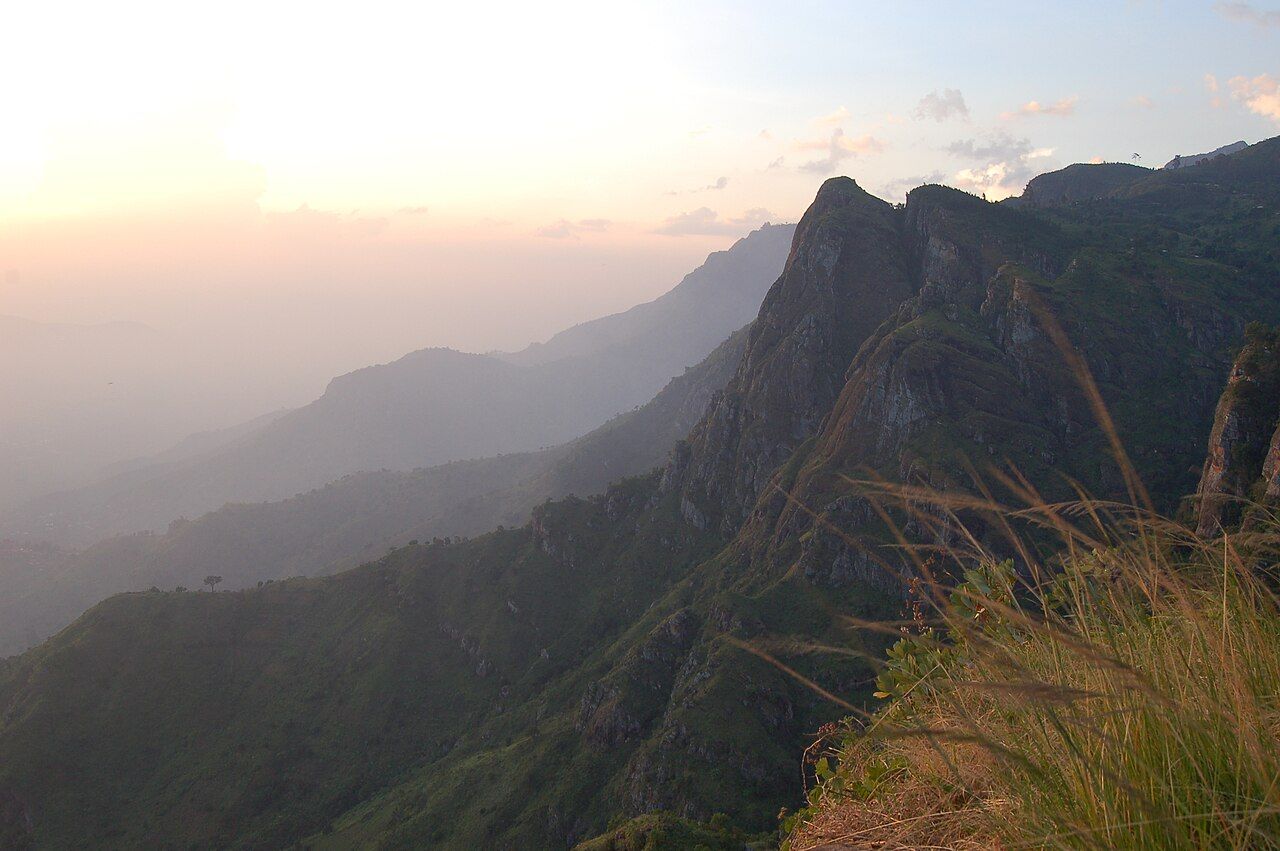
The best-known walk from Lushoto leads to Irente viewpoint, where the edge of the mountains drops away almost vertically to the plains a thousand metres below. On a clear morning you see across the flat land to distant hills; on a hazy afternoon the plains fade into a pale blur. It is a gentle walk of a couple of hours each way through farms and woodland, and many people combine it with a visit to small farms along the route.
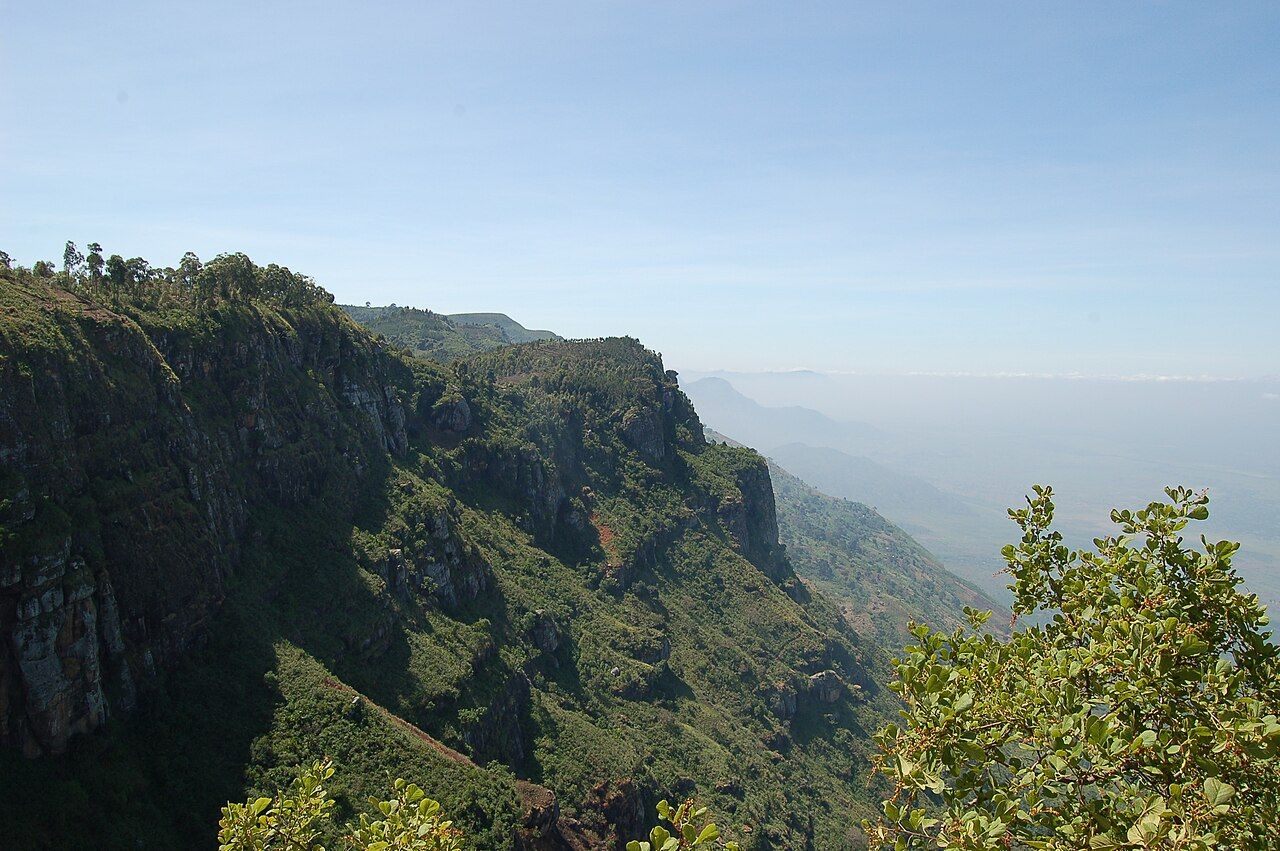
Other viewpoints and walks reach further. Paths lead along the edge of the escarpment, through forest reserves and down into valleys where rivers cut through farmland. Some walks take half a day; others link villages over several days, staying in simple guesthouses or with families along the way.
Go early, when the air is clear and the valleys are still waking up.
Go early, when the air is clear and the valleys are still waking up. By midday cloud often builds over the ridges, and afternoon rain is common in the wet months.
Walking with local guides
The paths in the Usambara are farm tracks, village lanes and old footpaths rather than marked trails, and they branch constantly. A local guide makes walking here easier and richer: you find the right path, learn about crops and villages, and avoid trespassing on private land.
Further on: Lake Eyasi, between the escarpment and the onion fields
Several guiding schemes in Lushoto are run by local people and community groups, and some put part of their fees towards village projects. Ask how fees are shared, agree on routes and prices before you start, and check that your guide is registered. Walks can include coffee and fruit farms, small sawmills, schools and markets; be patient, greet people, and ask before you take photographs. The page on visiting communities responsibly has more on this.
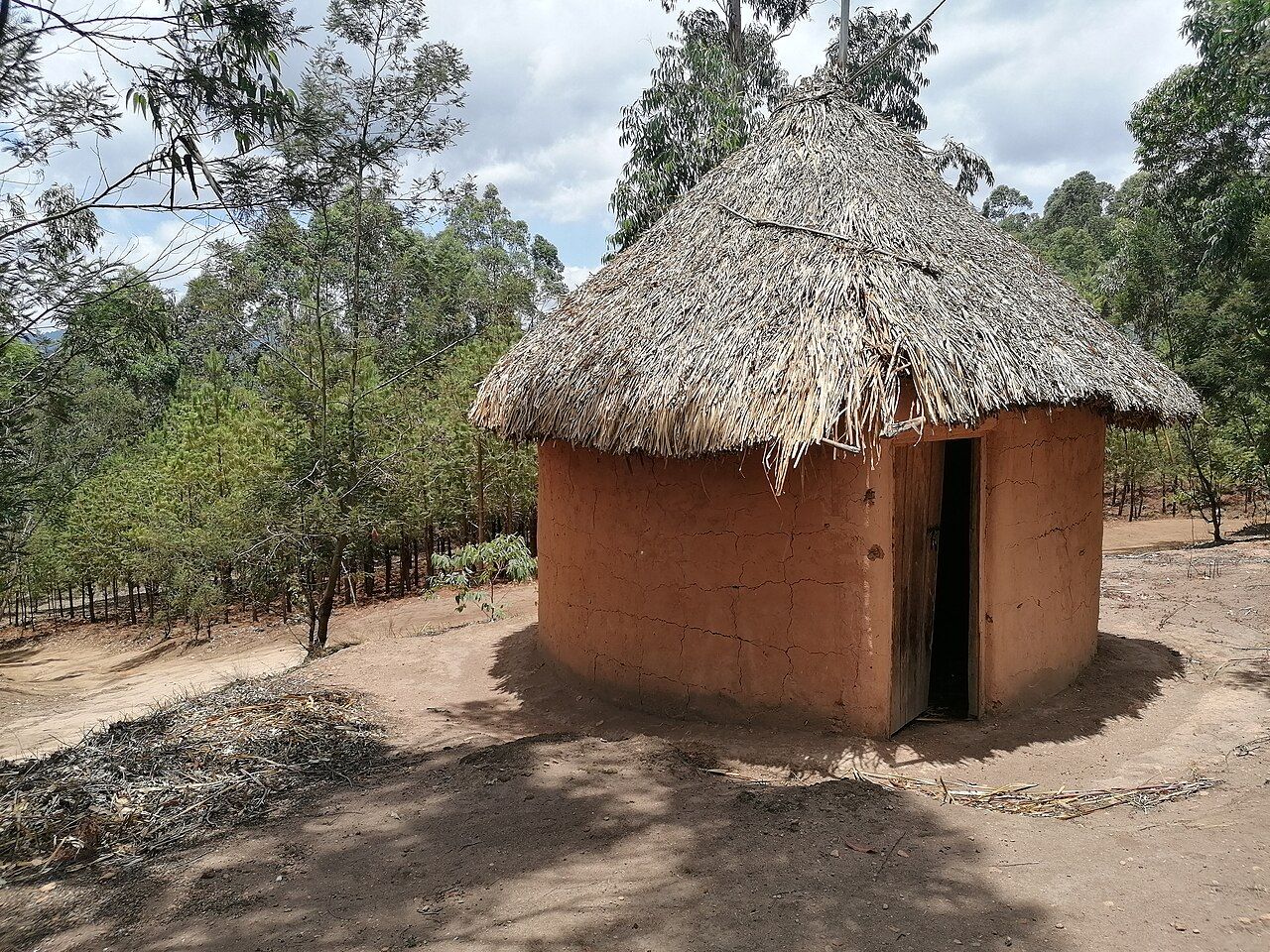
Most villages in the West Usambara are home to the Shambaa people, farmers who have worked these steep slopes for generations. Terraces, small fields of maize, beans and vegetables, and patches of forest make up the landscape. Erosion and the clearing of forest have been real problems here, and you will see tree planting and soil-saving work along many paths.
Chameleons and forests
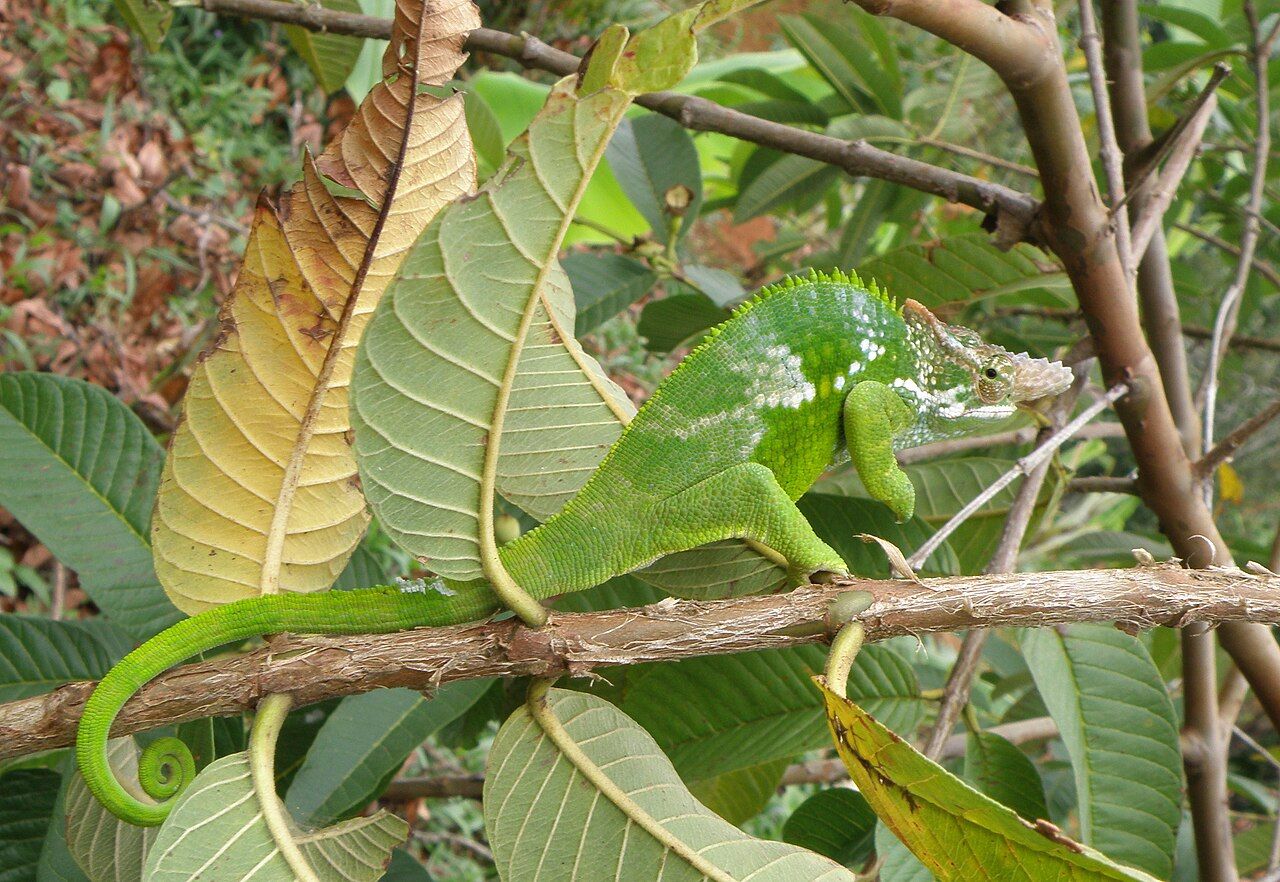
The Usambara Mountains belong to the Eastern Arc, a chain of ancient ranges across Tanzania and Kenya known for plants and animals found nowhere else. Several species of chameleon live only in these hills, including horned species that guides will sometimes point out in the bushes along a path. Look closely in hedges and low branches, but leave them where they are; handling stresses them.
Chameleons are easiest to find after dark, when their pale bodies show up in the beam of a torch as they sleep on the tips of twigs. A short night walk near a village, with a guide and permission from whoever owns the land, can turn up several kinds. Keep the light off their eyes as much as you can and move on after a minute or two.
The African violet, a common houseplant around the world, was first described from wild plants in these mountains. Forest reserves hold black-and-white colobus monkeys, many birds and butterflies, and in the East Usambara the forests around Amani are among the most important in the region for their variety of life.
Cool nights in Lushoto
The Usambara are pleasant for much of the year, with the driest months from about June to October and a shorter dry spell around December to February. The long rains, from about March to May, make paths muddy and slippery and views uncertain. The guide to dry seasons and rains explains the pattern.
Bring warm layers for the evenings, a rain jacket, sturdy walking shoes and a torch. Cash is useful, as card payments are not always possible.
Food in the hills is simple and good. Markets sell fresh vegetables, avocados, bananas and plums in season, and small eateries serve rice, beans, greens and grilled meat. Some farms around Lushoto make cheese, bread and jam, a quiet legacy of the hills' colonial and mission past. Tea is grown on estates on the slopes of the range, and coffee on smaller farms.
Give the mountains several days if you can. A single day trip shows you the view from Irente; three or four days let you walk between villages, feel the rhythm of farming life and watch the weather change over the valleys from one hour to the next. Bring a light day pack and leave room for the unplanned: an invitation to see a field, a detour to a waterfall, a long talk over tea.
Lushoto makes a good counterpoint to the hot coast; many travellers come up from Pangani and the Swahili coast for a few cool days before heading north.
Pictures here: Joachim Huber from Switzerland – CC BY-SA; Pequod76 – CC BY-SA; Joachim Huber from Switzerland – CC BY-SA; BarcarolIa – CC BY-SA; Jjgodox – CC BY-SA; Joachim Huber from Switzerland – CC BY-SA


