
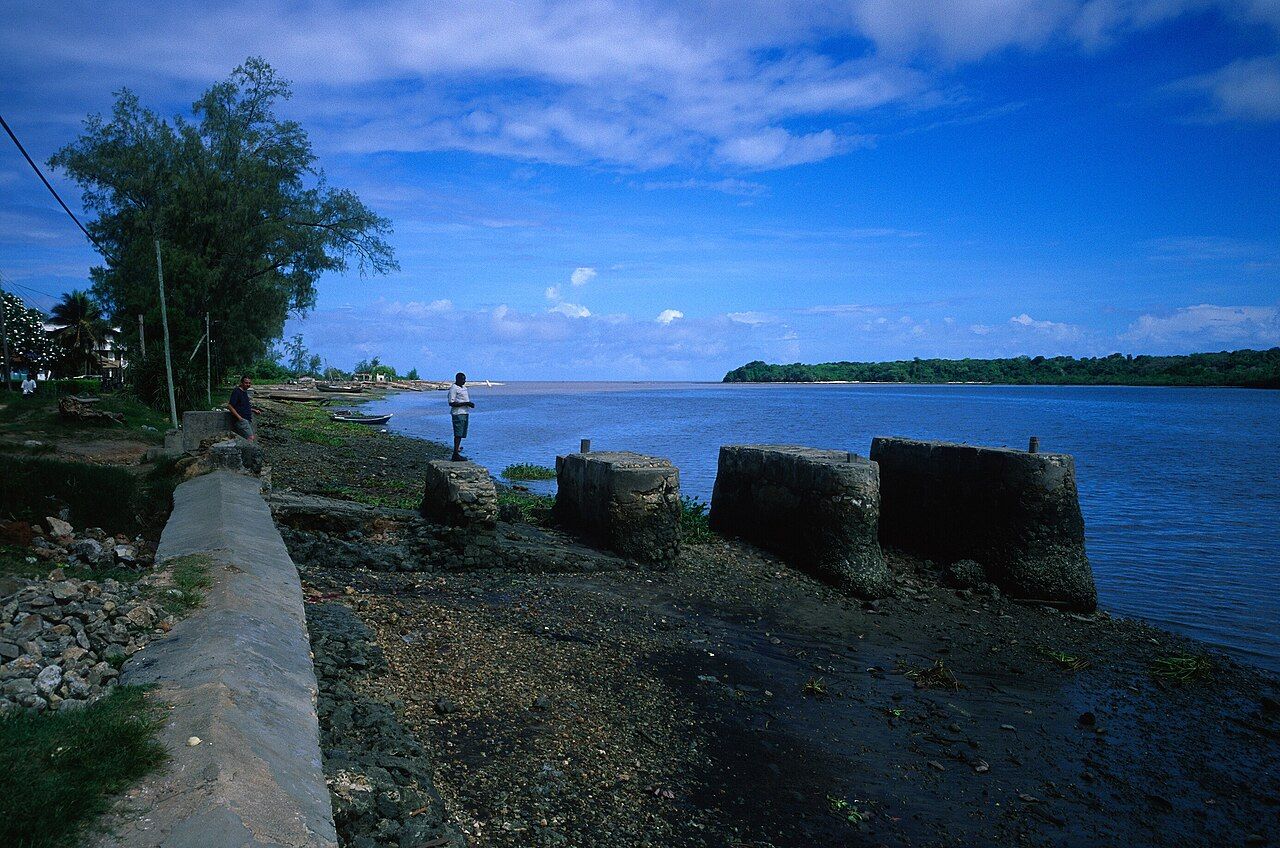
Pangani sits where the Pangani River, after its long run down from the slopes of Kilimanjaro and the Usambara hills, finally opens into the Indian Ocean. The town is small enough to walk end to end in under an hour, and most of it faces the water: a line of old buildings along the north bank, a jetty, a handful of boats pulled up on the mud, and on the far side a green wall of palms. Few visitors stay long, which is a large part of the appeal. Days here are measured by the tide, the call to prayer and the crossings of the little vehicle ferry.
The coast between Tanga and the northern edge of Saadani is one of the quietest stretches of shoreline in the country. There are no big resort strips, no crowded beach roads, and long sections where the only people you meet are fishermen mending nets or children walking home from school. It rewards a slow pace and a few days rather than a quick look.
An old town on the river bank
Pangani was a busy trading town in the nineteenth century, when caravans from the interior ended here and dhows carried goods along the coast. Some of that trade was in ivory and in enslaved people, and the town does not hide it: a walk through the old streets is a walk through a difficult history as well as a handsome one. In 1888 the town was also one of the places where coastal resistance to German colonial rule began, a story still told locally.
What remains are Swahili houses of coral stone and lime, some with heavy carved wooden doors, a few later buildings from the German and British periods, and the ruined shells of others with trees growing through the roofs. Many are lived in, some are falling apart, and a few are being repaired. Walk slowly, look up at the window shutters and the dates set into the plaster, and ask before photographing anyone sitting on a baraza, the stone bench built along the front of many coastal houses where neighbours sit and talk in the evening.
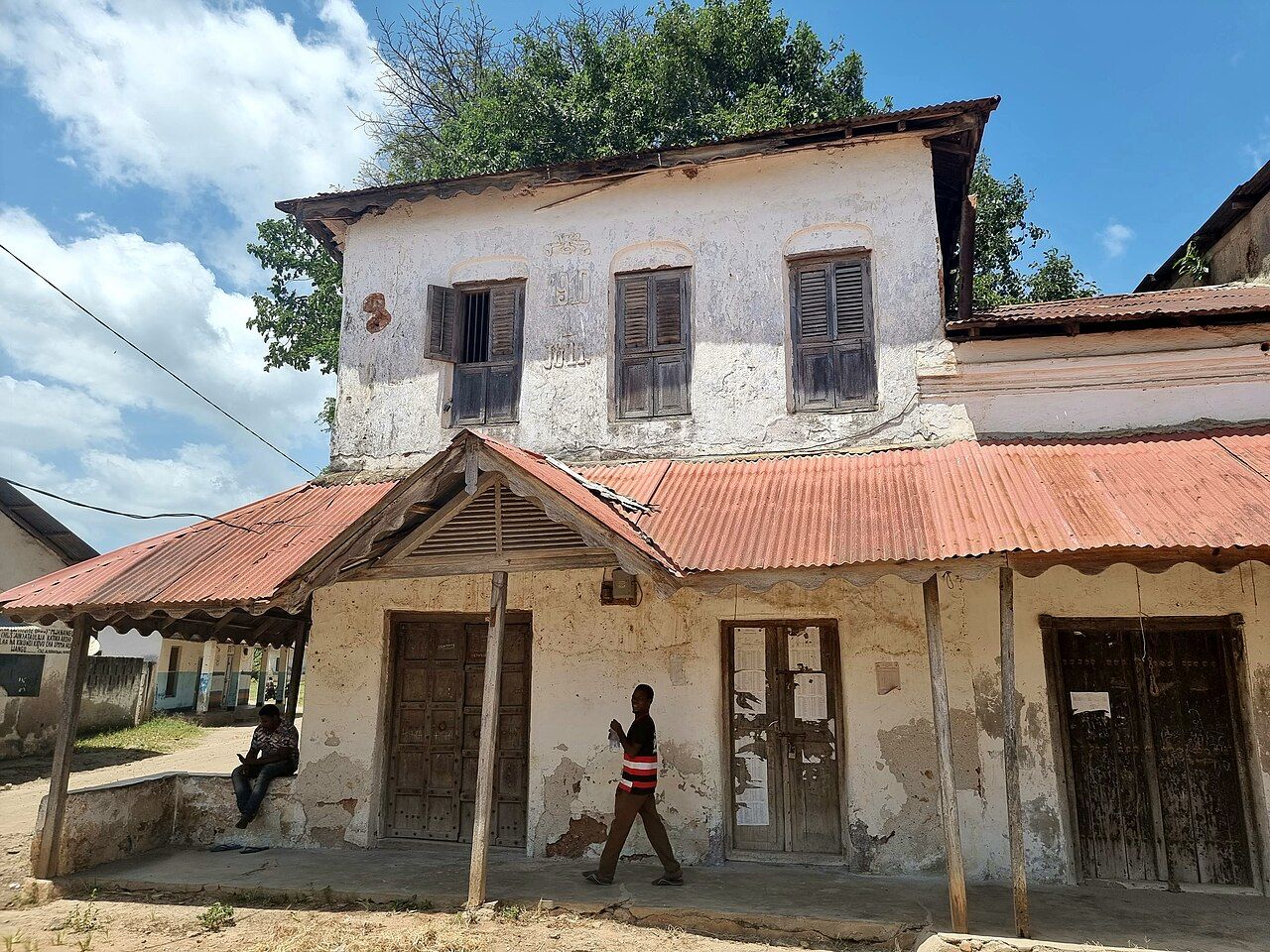
Local guides can be found in town to explain the buildings and the history; agree what you will see and what you will pay before you set off. The best time for walking is early morning, before the heat builds, or the hour before sunset, when the streets fill again.
The river, the ferry and the mangroves
The river is the heart of the place. A small ferry carries people, motorbikes and cars between the town and the south bank, and much of local life funnels through it. Watching it load is a fine way to spend half an hour: market baskets, a goat or two, students, a pick-up truck edging on at an angle. Crossing schedules and fares are informal, so ask at the jetty on the day.
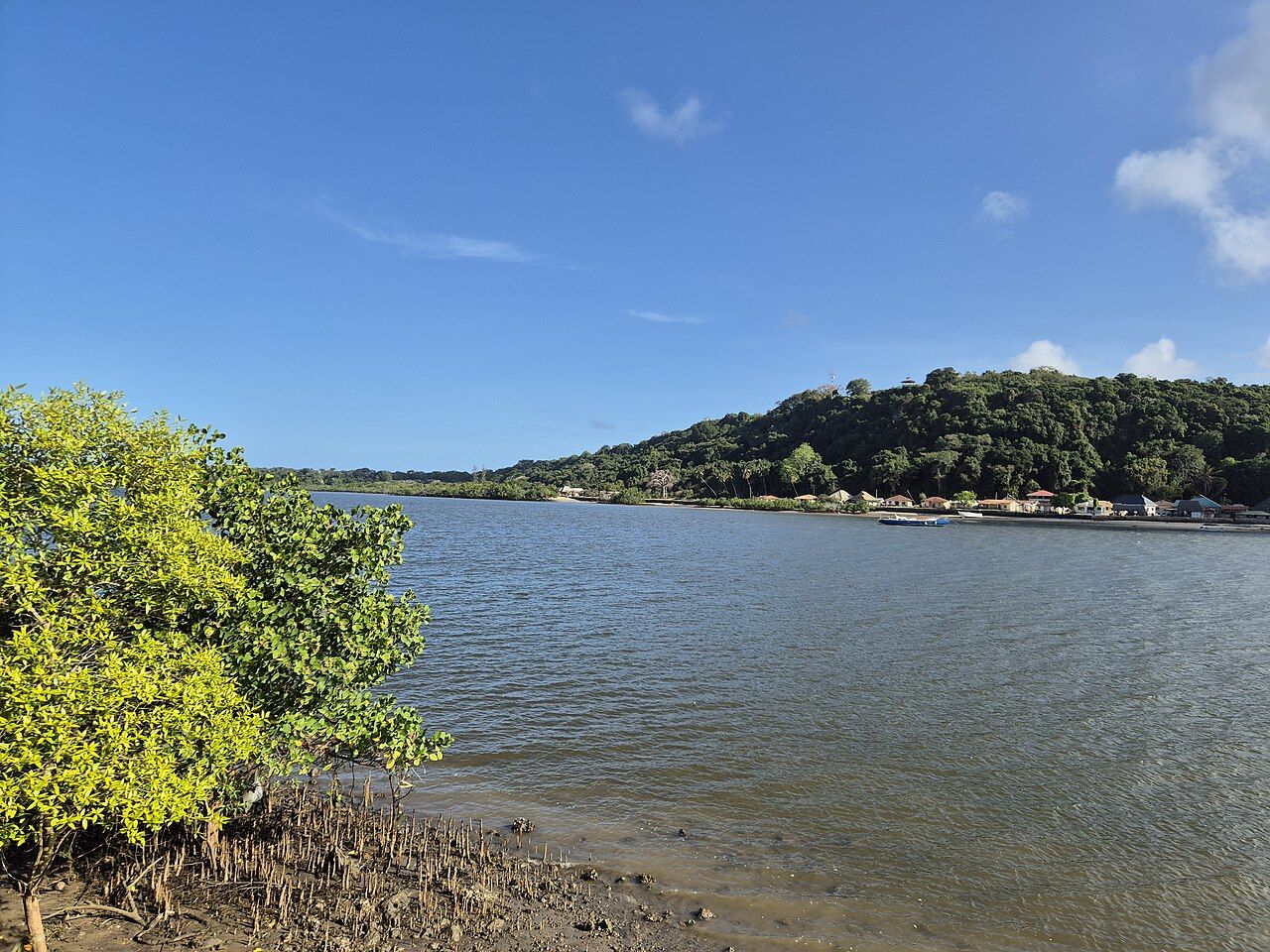
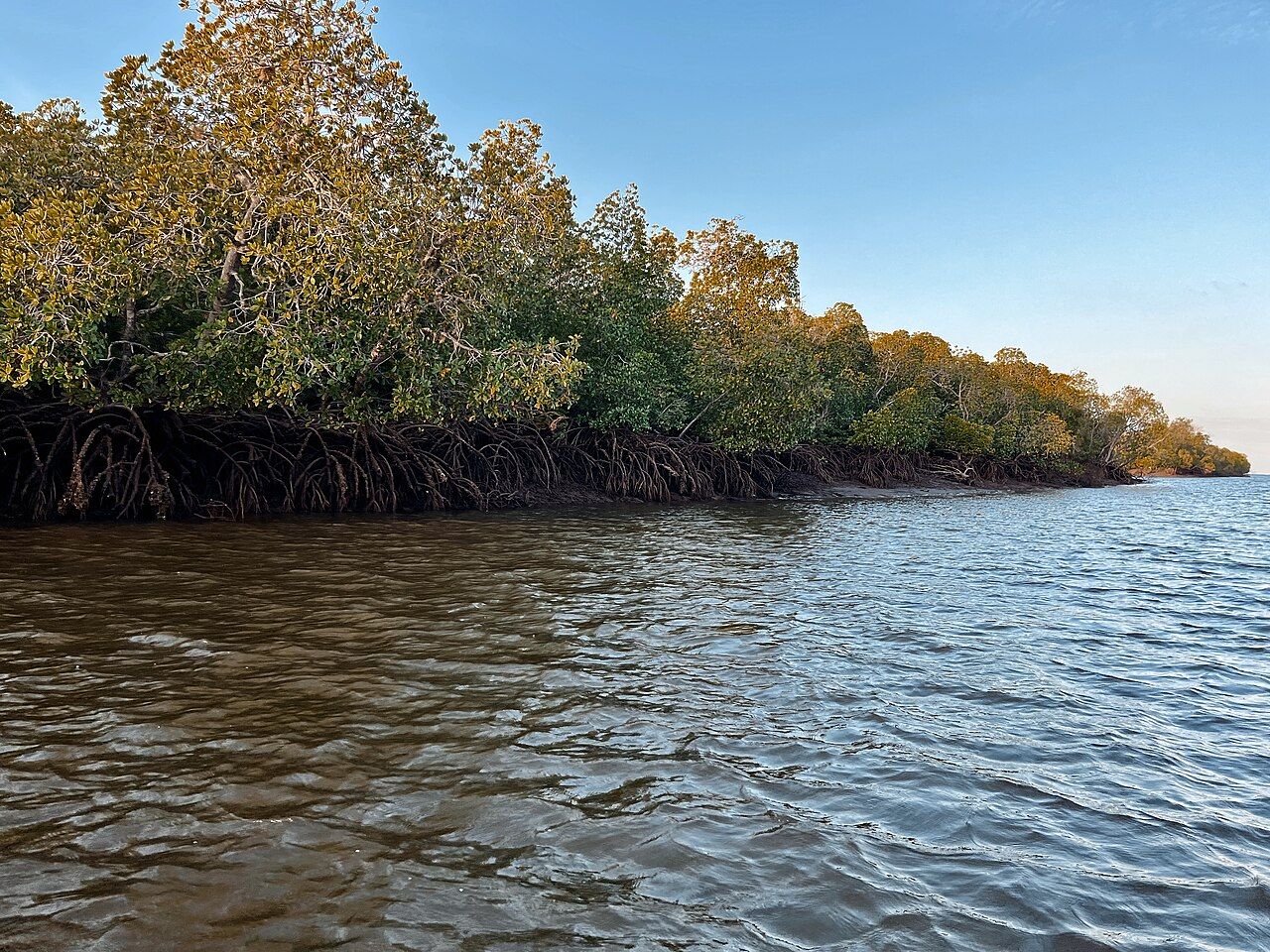
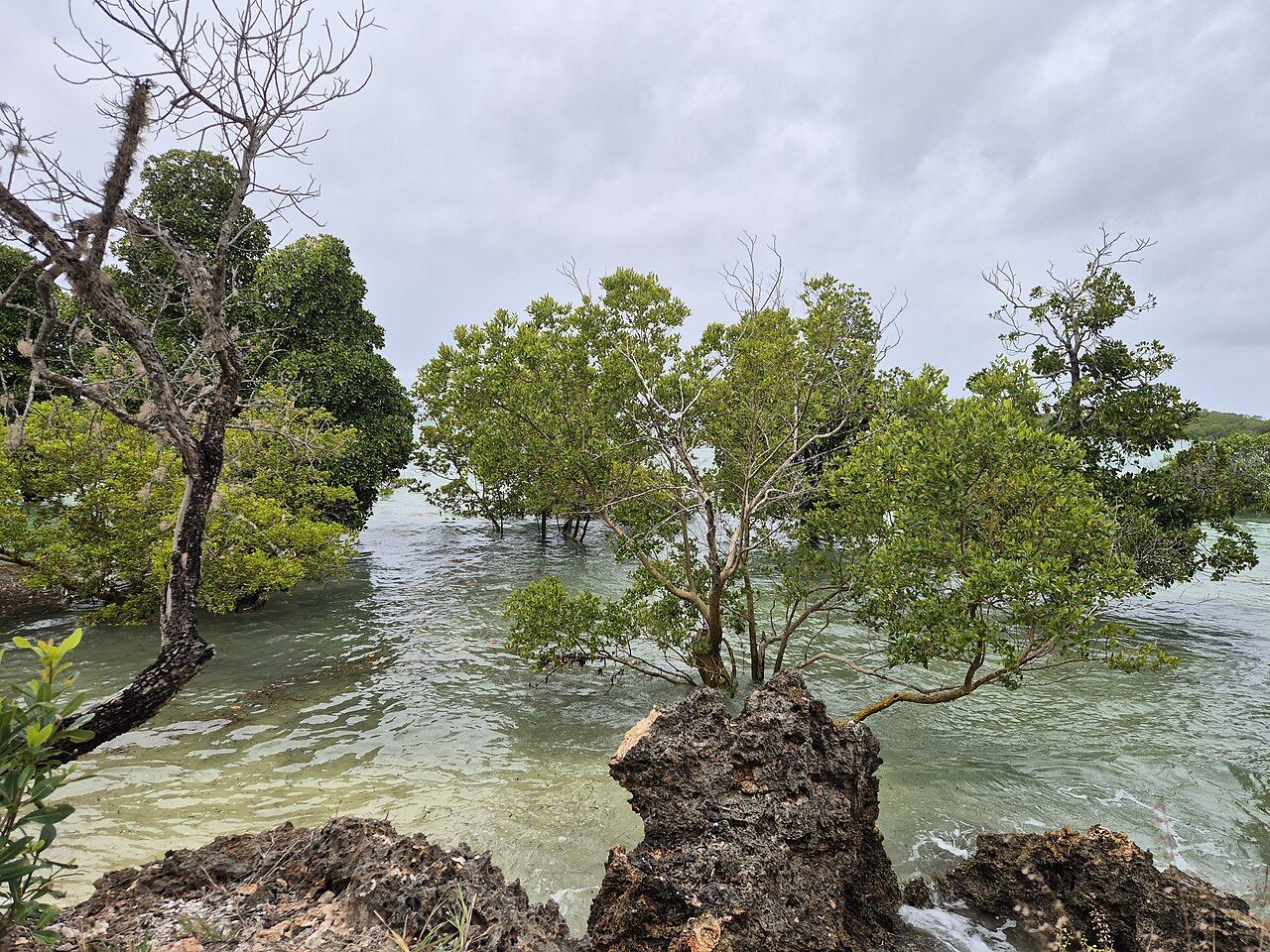
Upstream, the river narrows between mangroves and palms. Short boat trips go up from the town with local boatmen, and on a calm morning you may see kingfishers, herons and fish eagles, with fiddler crabs waving on the mudbanks as the water drops. Mangroves matter on this coast: they shelter young fish, hold the shoreline together and supply poles and firewood, so the forests are protected and cutting is controlled. Stay in the boat where you are asked to, and do not trample the roots at low tide.
At the river mouth the water changes colour where brown meets blue, and a sandbar shifts with the seasons. The sea here can look gentle and still carry strong currents near the mouth, so swim on the open beaches rather than in the channel.
Days here are measured by the tide, the call to prayer and the crossings of the little vehicle ferry.
South to Ushongo and the long beaches
Across the river, a sandy road runs south through coconut groves and small villages towards Ushongo, a long, curving beach backed by palms. In general this is the quiet coast at its best: wide sand at low tide, shallow reef flats to wander with a pair of sandals, and dhows with patched sails moving along the horizon. A few small places to stay are scattered along the shore, and outside the busiest holidays you can walk a long way without meeting another visitor.
Further on: Tanga and the caves to the north
Tides shape everything. At low water the sea pulls far back and swimming becomes a long wade; at high water the beach narrows and the swimming is easy. The tide decides when the boats can go. Offshore, small sandbanks and patches of reef appear and vanish with the tide, and boat trips go out to them in fair weather. Wear reef shoes, never stand on coral, and leave shells and starfish where they lie.
The villages along this road are fishing and farming communities, not tourist stops. Greet people as you pass, buy fruit or fish when it is offered at a fair price, and keep swimwear for the beach. On this largely Muslim coast, covering up a little more in villages and in town is simply good manners, and it is noticed. A few words help a great deal, and a little Swahili goes further here than in the busy north.
Humid months and kaskazi winds
The coast is warm all year and humid much of it. The cooler, drier months from roughly June to October bring steady breezes and clearer days; January and February are hot and often fine. The long rains, usually from about March to May, can turn the sandy roads soft and the sea murky, and some small places close for part of that time. The short rains towards the end of the year are lighter and less predictable. There is more on how the year turns in dry seasons and rains, but on this coast the simple rule is that the heat is steady and the humidity is what changes.
Malaria is present along the coast, and mosquitoes are busiest at dusk near the river and mangroves. Talk to a doctor about prevention well before you travel, and cover your arms and legs in the evenings.
Down the coast road from Tanga
Pangani lies south of Tanga, and the usual approach is by road along the coast from there, a drive of a couple of hours or so depending on the season. Buses and minibuses run from Tanga, and coming from Dar es Salaam most people travel via Tanga or by a slower inland route; road conditions vary with the rains, so ask locally before setting out. The section on buses and minibuses explains how the shared transport works.
In town you walk. For the beaches south of the river, you cross on the ferry and then take a local taxi, a motorbike or a bajaji, the small three-wheeled taxi common across the country. Agree prices before you set off. Cash is useful: card payment is rare and cash machines are few, so arrive with what you need and keep small notes for markets and boat trips.
Pangani pairs naturally with the hills inland. The Usambara Mountains are a few hours away, and moving from the humid shore up into the cool air around Lushoto is one of the more pleasing changes of scene in the north-east. Allow time. This is a coast where plans stretch, boats wait for the tide and the best afternoons are the ones with nothing on them.
Pictures here: Aslak Raanes – CC BY; Godlove Mgo – CC BY-SA; Fatih Renkligil – CC BY-SA; Mnazini – CC BY-SA; Fatih Renkligil – CC BY-SA


