
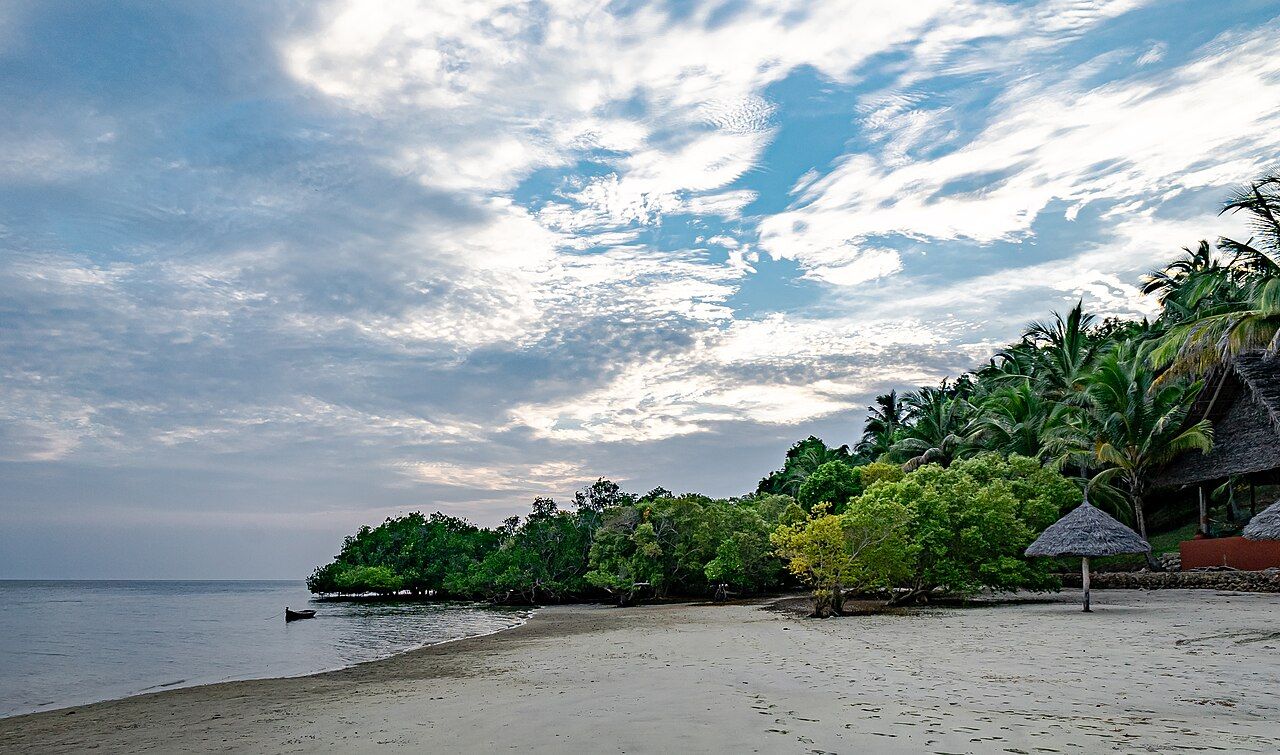
Mafia lies off the mouth of the Rufiji River, south of Dar es Salaam and well away from the busy routes. It is flat, green and sleepy, with coconut plantations, cashew trees, small villages and a long fringe of mangroves and reef. Most of the southern part of the island and the waters around it form a marine park, set up to protect the coral, seagrass and mangroves that support both fish and fishing families. Life here turns on tides, boats and the weather, and a visit works best if you let it.
The marine park
The marine park covers Chole Bay, a sheltered expanse of water on the island's south-east side, along with reefs, channels and several small islands. Inside the bay the water is usually calm, and the coral gardens are shallow enough for snorkelling. Outside the reef the diving is deeper and more varied, with walls, channels and larger fish, and the best sites depend on tides and currents.
Visitors pay a park fee, which supports patrols and management. Within the park, fishing is managed with zones agreed with local villages. Do not touch coral, do not collect shells or anything else, and keep fins off the reef. A rash vest is kinder to the reef than heavy sunscreen.
Whale sharks, met responsibly
Whale sharks gather off the west side of Mafia, near Kilindoni, in roughly the later months of the year into the early months of the next. They are plankton feeders, the largest fish in the sea, and harmless to people, but they are also endangered and easily disturbed. How you meet them matters.
- Keep a clear distance: several metres from the body and further from the tail. Never touch, ride or block a whale shark.
- Let it choose the direction. Do not chase, dive down on top of it or swim in front of its mouth.
- Limit numbers. Only a few swimmers should be in the water with one shark at a time, and boats should stay well back and approach slowly.
- No flash photography, no scuba near the surface feeders, and no feeding of any kind.
Choose a boat crew that follows these guidelines and briefs you before you get in. If a boat crowds the animal, you can stay on board. Sightings are never guaranteed, and the season varies from year to year, so fixed dates are a gamble.
Further on: Pemba, Zanzibar's green sister
Chole and its ruins
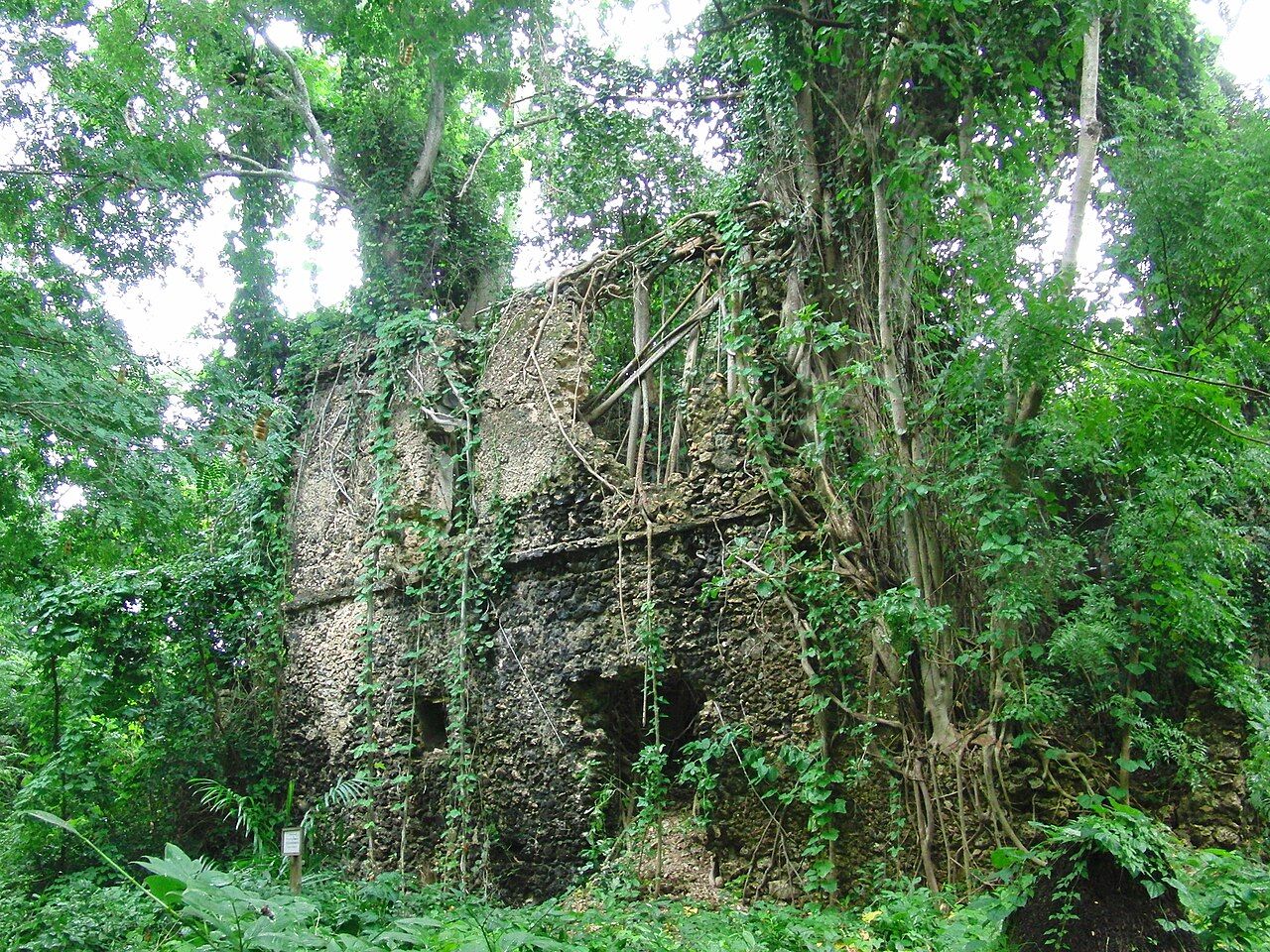
Chole is a small island in the bay, a short boat ride from the main island. In the nineteenth century it was a busy trading place, and the ruins of houses, a market, a mosque and later German-era buildings stand among the trees. Strangler figs have grown over many of the walls, roots pouring down the stone, so that it is hard to tell where building ends and tree begins.
People live on Chole today, in a village beside the ruins, and children will often walk with you. Greet people, ask before photographing anyone, and buy something from the small shops if you need it. A colony of large fruit bats roosts in trees on the island; at dusk they fly out over the water, a sight worth staying for. Walk around the ruins gently, as walls are fragile.
Beyond the bay
Juani, the larger island beyond Chole, has turtle nesting beaches and quiet channels through the mangroves, reached by boat at the right tide. Nesting turtles need darkness and space, so keep lights off and stay well back if you are on a beach at night with a guide. On the main island, a slow drive or bicycle ride through villages and plantations shows everyday Mafia: palm-leaf roofs, drying fish, school children in white and blue.
Kilindoni, the main town, is where boats, markets and the airstrip meet. It is not pretty but it is lively, and its market is a good place to buy fruit and see the morning catch landed.
Walking or cycling between villages is a gentle way to fill a day out of the water. The roads are flat and sandy, shade is patchy, and the heat builds fast after mid-morning, so start early. People are used to seeing a few visitors, and a greeting from the roadside usually brings one back.
Flights to Kilindoni
Small planes fly to Mafia from Dar es Salaam. A boat crossing also links the island with the mainland coast south of Dar; it is cheaper and slower, and depends on weather and tides. Keep a spare day in case of delays. On the island, the road from Kilindoni to the bay is the main route, and local taxis and bajaji carry you along it.
Mafia is a natural pair with other quiet parts of this coast. Further south, the ruins of Kilwa Kisiwani tell the older story of the Swahili trading towns, while to the north Pemba has its own reefs and forest.
Calm water and clear reefs
The sea is generally calmest and clearest from about October to March, outside the strongest winds, and this also covers the usual whale shark months. June to September can bring a stiff southerly wind and rougher crossings, though the air is cooler. The long rains, usually around April and May, are the quietest time, and some places close. Malaria is present here; speak to a doctor about prevention well before you travel. The wider pattern of the year is in dry seasons and rains.
Pictures here: Nina R from Africa – CC BY; Jens Klinzing – CC BY-SA

