
Tanzania is close to the equator, so seasons are not really about heat and cold. They are about rain. In much of the north and along the coast, the year is split into two dry seasons and two rainy ones. In the south and far west, there is usually one long wet season and one long dry. The pattern shifts from year to year, and climate change has made it less predictable, but understanding the broad shape of the year helps you choose when and where to go.
The main dry season
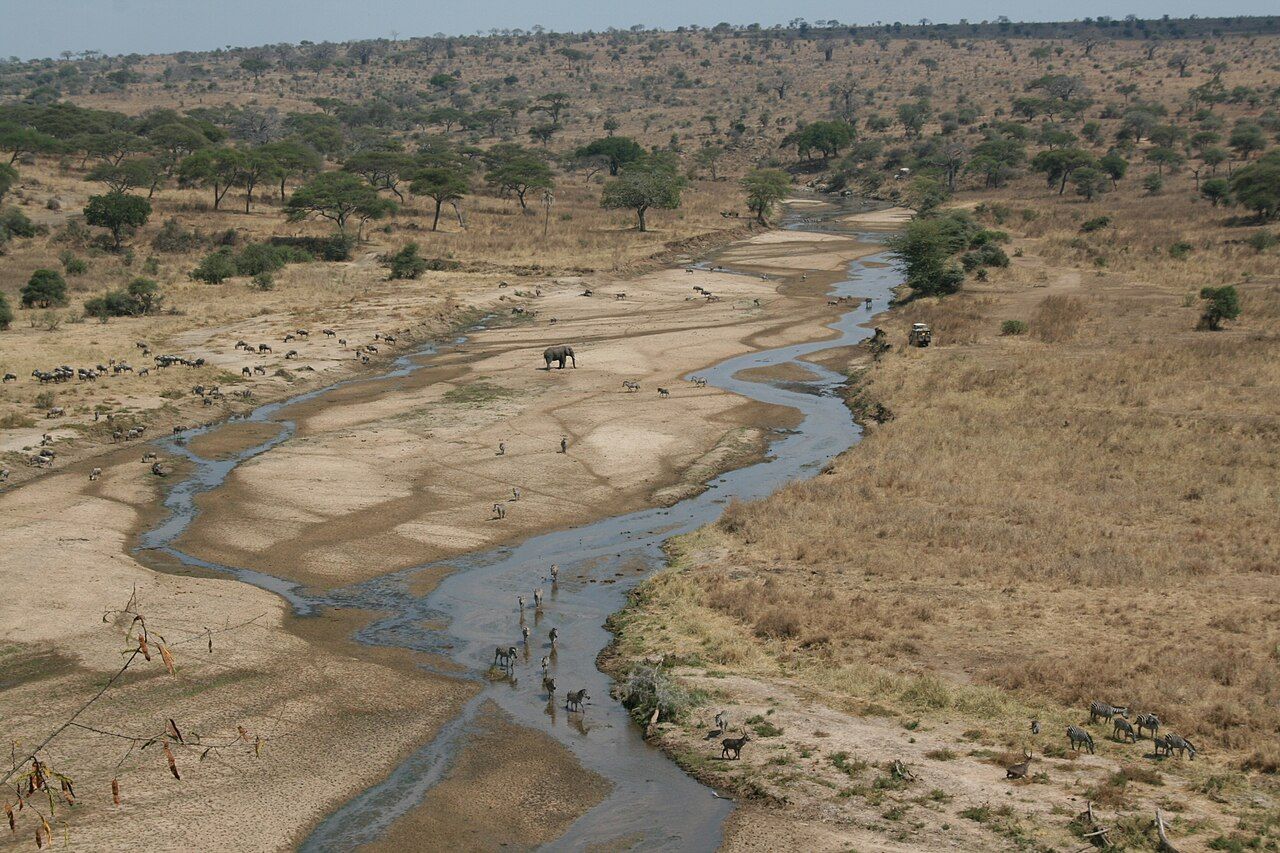
From roughly June to October, most of the country is dry. Grass thins and turns gold, water shrinks to rivers and pools, and animals gather near them. This is the classic time for game viewing in the national parks, because wildlife is easier to find and roads are in their best condition.
It is also the cooler season. Nights can be cold in the highlands, in places such as the Usambara Mountains and around Mount Meru, and early mornings on open game drives call for a warm layer. The coast is pleasant, with lower humidity and steady breezes. The downside is that parks are busier in these months, and prices for accommodation and transport tend to rise.
It is also the season of dust. Dirt roads throw up clouds behind every vehicle, and a scarf and sunglasses are worth having. Some small rivers dry completely, and grass fires are common late in the season as farmers clear land.
The short rains
In the north and along the coast, the short rains, called vuli in Swahili, come in roughly November and December. They often arrive as afternoon showers or storms rather than days of steady rain. The land turns green quickly, and in some areas animals begin to move with the new grass.
For travellers, the short rains are usually manageable. Roads can be muddy for a while after a downpour, but most routes stay open. This can be a good time to visit with fewer people around.
Further on: Buses, dala-dalas and getting around
The short dry spell
January and February often bring a short dry season in the north and on the coast. It is hot, sometimes very hot near the sea, but usually settled. In the northern plains this is when many animals give birth, and the grass is green. On the coast and islands, the sea is often calm and clear.
The heat in these months is the main thing to plan around. Start walks and drives early, rest in the middle of the day, and drink more than usual. In the highlands the days are warm and the air is clearer than in the dry season, with good views of the mountains when clouds allow.
The long rains
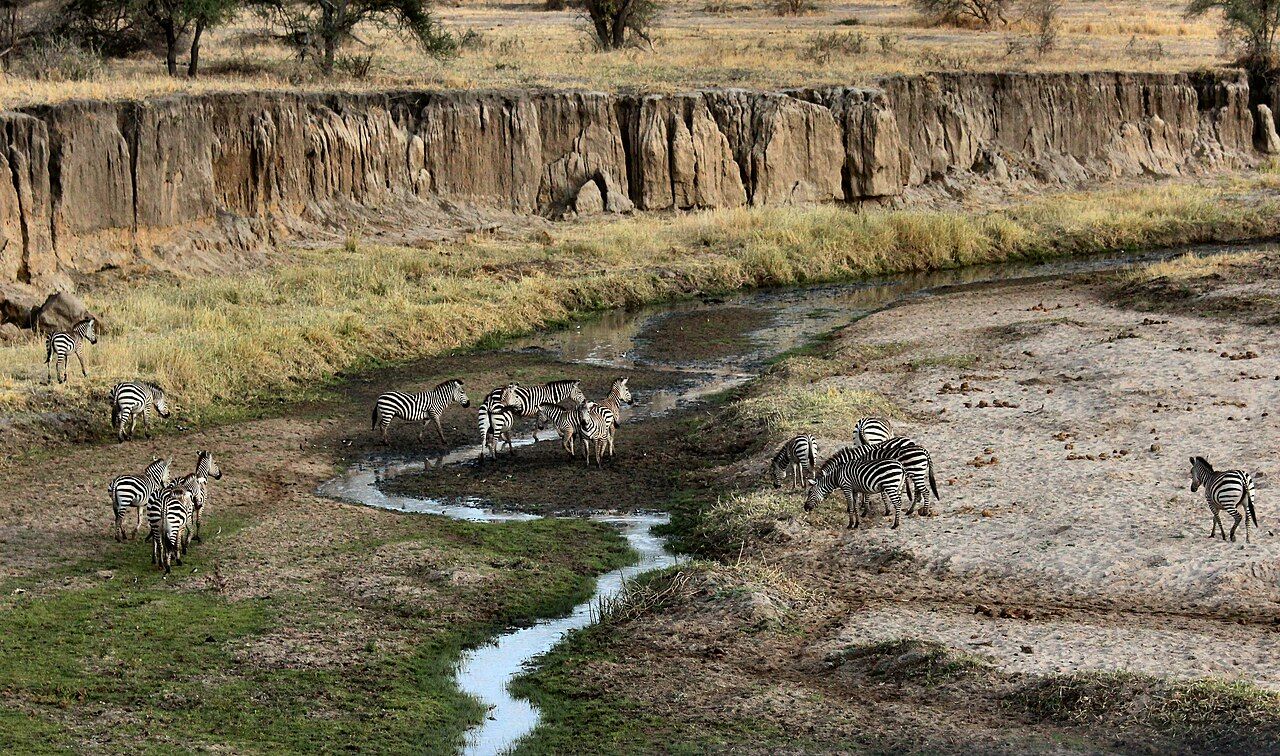
The long rains, called masika, usually fall from about March to May. They are heavier and more persistent than the short rains, with days of cloud and downpours. Dirt roads can become impassable, rivers rise, and some lodges and camps in remote areas close for weeks.
This is the quietest time to travel. Parks are green and empty, birdlife is rich, and prices tend to fall. But it needs flexibility. A journey that takes a few hours in the dry season can take a day or more, or be impossible. Remote parks such as Katavi and Mahale become very hard to reach. If you travel in these months, build in spare days.
The coast and the islands
The coast is hot and humid all year, but the experience changes with the seasons. From about December to March, the air is still and heavy before the long rains. From June to September, cooler southerly winds bring relief, though the sea can be rougher in some places. On islands such as Mafia, the seasons also decide when marine life, such as whale sharks, is most likely to be seen.
Humidity on the coast affects how you feel more than the temperature does. Light, loose cotton clothes, shade at midday and plenty to drink make a real difference.
The south and the west
In the southern and western parts of the country, the rains usually fall in a single long season from about November to April. The dry season that follows is long and hot by the end. Remote western parks are best in the later dry months, when animals crowd the remaining water and the tracks are passable.
The great lakes have their own weather. Lake Victoria and Lake Tanganyika make storms of their own, and afternoon squalls on the water can arrive fast. Boat crossings are best done in the morning, when the water is usually calmer. There is more on the lakes in Mwanza and the Lake Victoria shore.
Health and the seasons
Malaria is present across much of Tanzania, and the risk is generally higher during and after the rains, when mosquitoes breed in standing water. Ask a doctor or travel clinic about malaria prevention and vaccinations well before you travel. Whatever the season, cover up at dusk, use repellent and sleep under a net where one is provided.
No season is wrong. Each one shows a different country, and the best time to come is the one that suits what you want to see and how much uncertainty you are willing to accept.
Pictures here: Geir Kiste – CC BY-SA; joel herzog joel_herzog – CC0

