
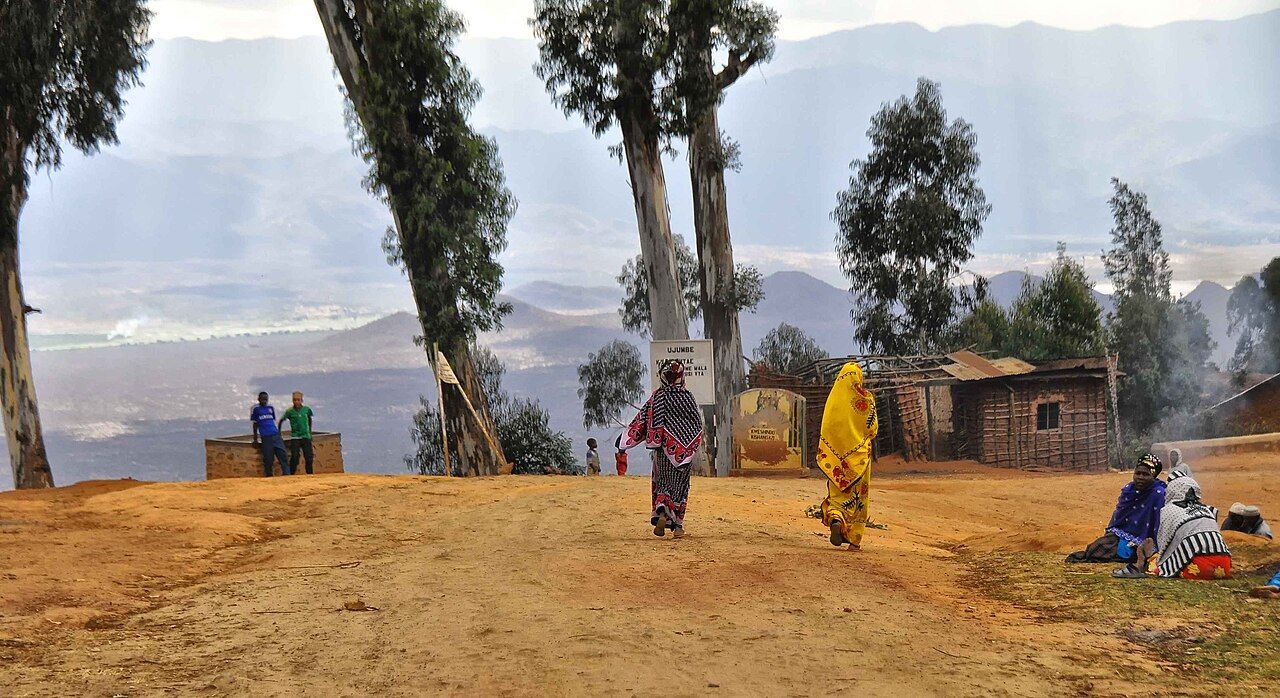
Travelling in Tanzania brings you into contact with people whose homes, lands and lives are often the very places you have come to see. Villages, markets, parks and coastlines are not stage sets. Treating them with respect is partly about rules and partly about attitude, and both make for better journeys. None of this is complicated. It comes down to asking, listening, paying fairly and leaving places as you found them.
Photographing people
Always ask before taking a photograph of someone. A simple gesture with the camera and a question, in Swahili if you can, is enough. If the answer is no, accept it without argument. Some people do not want to be photographed for personal, cultural or religious reasons, and that is their right.
Some communities, such as the Maasai and Hadzabe, are often photographed by visitors. Be especially careful here. People are not a spectacle, and treating them as one is disrespectful. If you visit a community, do so through arrangements that respect their wishes and benefit them directly, and follow their guidance on what is acceptable.
Children are best left out of photographs unless a parent agrees. Never give sweets, money or pens to children in exchange for photos; it encourages begging and can keep children out of school. If you want to help, support schools or community projects through local organisations.
Be cautious about photographing government buildings, police, military sites and some infrastructure. Officials may object, and it is better to ask or not take the picture.
When someone does agree, show them the picture, and if you have promised to send a copy, do so. If someone asks for a small payment for a photograph, decide whether you are comfortable with that before you take it rather than after.
Paying guides and others fairly
Guides, porters, drivers, boatmen and others who help you are doing a job. Agree fees in advance, pay what you agreed, and tip where it is customary and the service was good. Fair pay matters in a country where many people depend on tourism income, and it helps sustain good guiding. If in doubt about what is fair, ask other travellers or the place you are staying.
When possible, hire local guides and buy from local markets and craftspeople. Bargaining is normal in markets, but do it with good humour and do not push prices down to levels that are unfair to the seller.
Where community visits are offered, ask how the money is shared and who benefits. Visits run by or with the community, where people decide what to show and receive a fair share of the fee, are better for everyone than ones where visitors are simply driven into a village and out again.
Further on: A little Swahili for the road
Respecting park rules
Tanzania's national parks and reserves have rules for good reasons. They protect wildlife, habitats and visitors.
- Stay in your vehicle except where getting out is allowed.
- Keep to marked roads; off-road driving damages the land and is banned in many places.
- Keep a respectful distance from animals, and never feed them.
- Keep noise down, and do not crowd animals with vehicles.
- Do not remove plants, rocks, bones or shells.
- Take all litter out with you.
Drones are tightly controlled in Tanzania and usually need permits; flying one in a park without permission can lead to confiscation.
Park fees support conservation and local communities. For chimpanzee tracking, as at Gombe, stricter rules apply, including keeping your distance and staying away if you are ill, because chimps can catch human diseases.
Marine life and the coast
On the coast and islands, similar principles apply under water. Do not touch or stand on coral. Do not collect shells, starfish or coral. Keep a respectful distance from turtles, dolphins and whale sharks, and choose boat crews that follow guidelines. On Mafia Island, for example, whale shark encounters should be calm and controlled, without chasing or touching.
Coastal towns and villages are often conservative. Keep swimwear for the beach and dress modestly in towns and villages.
On beaches, do not buy shells, coral or turtle products from sellers, and avoid seafood that is clearly undersized or out of season if you know it. Small fish markets are good places to see the catch, but ask before photographing the fishermen.
The plastic bag ban
Tanzania banned plastic carrier bags in 2019. The ban covers importing, selling and using them, and it applies to visitors as well. Bags may be confiscated on arrival. Pack your belongings without plastic carrier bags, and carry a reusable cloth bag for shopping. Clear bags for toiletries in hand luggage have generally been allowed.
Beyond the ban, reducing plastic is good practice. Carry a refillable water bottle, refill from filtered water where available, and avoid single-use plastic where you can.
Being a good guest
Learn a few words of Swahili; a little Swahili for the road is a start. Greet people before asking for anything. Hand things over and take them with your right hand. Be patient and polite, even when things are slow or confusing.
In the end, responsible travel is about seeing yourself as a guest. People in Tanzania are often generous and welcoming. Meeting that with respect and care makes for better experiences on both sides, and it helps keep the places you visit as good for the next traveller and, more importantly, for those who live there.
Pictures here: Rod Waddington from Kergunyah, Australia – CC BY-SA
