
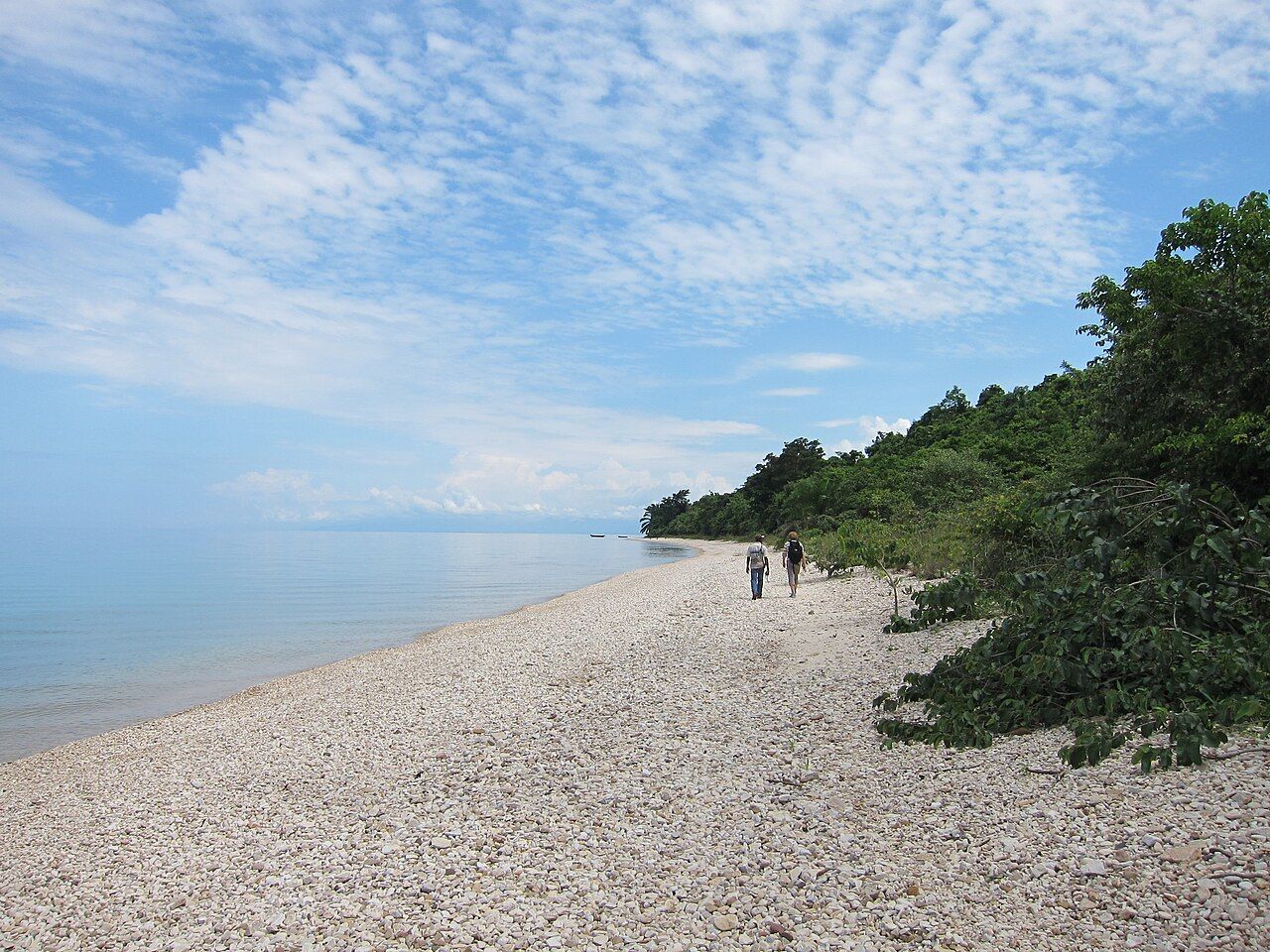
Gombe Stream is one of the smallest national parks in Tanzania: a thin strip of land between the shore of Lake Tanganyika and the ridge of hills above it, cut by a series of steep stream valleys. There is no road in. You arrive by boat, step onto a pebble beach, and the forest begins a few paces from the water.
This is where some of the longest-running studies of wild chimpanzees began in 1960, and research has continued here ever since. That history is the reason many people know the name. What you find on arrival is quieter than the fame suggests: a hot, green slope, the sound of streams, and a group of apes going about their day in a forest that has been watched closely for generations.
Much of what the world knows about wild chimpanzees was first seen in these valleys: that they make and use simple tools, hunt other animals, and form long and complicated friendships and rivalries. Individual chimpanzees here have been known by name across several generations of the same families. Walking the same paths gives the place a weight that its small size does not suggest.
Outside the park the land tells a different story. Villages and farms press right up to its boundary, and the forest that once ran along the whole shore has been cut back over the decades. Conservation groups have worked with communities around Gombe on farming, water and tree planting, aware that the park cannot survive as an island on its own.
Reaching Gombe from Kigoma
The starting point is Kigoma, a lakeside town in the far west of the country, reached by air, by long-distance bus or on the central railway line from the coast. From Kigoma, boats run north along the shore to the park. Public lake taxis stop at villages along the way and are slow and crowded; chartered boats are faster and more comfortable. Either way, the trip takes a few hours depending on the boat and the weather.
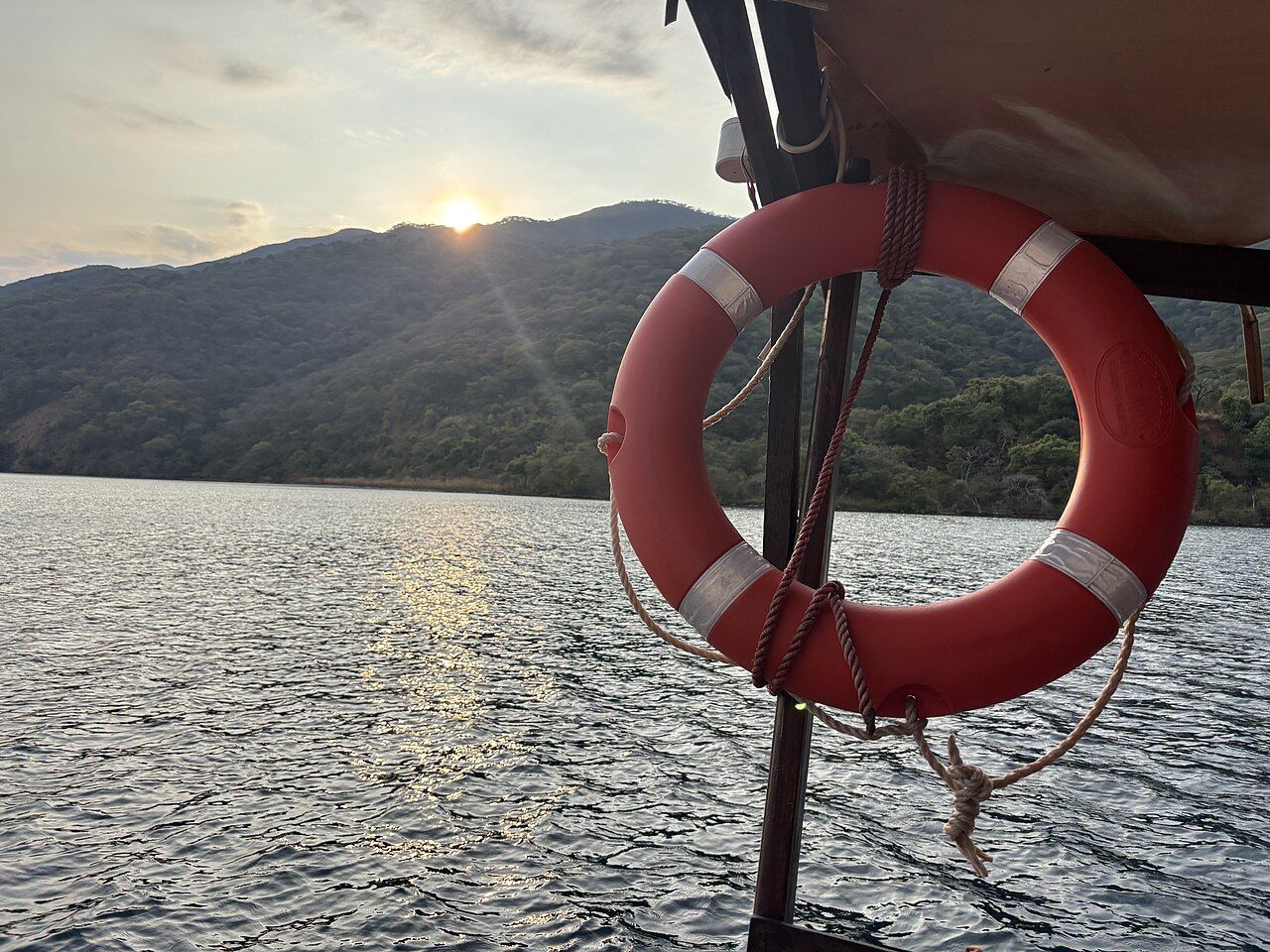
Afternoon winds can make the lake choppy, so morning crossings are usually calmer. Make sure the boat carries life jackets, keep your camera and phone in a dry bag, and wear a hat; there is little shade on the water.
Kigoma itself is worth a day. The town spreads along the lakeshore, and the old trading town of Ujiji, just to the south, has a long history as a terminus of the caravan routes from the coast. If you are coming from the north, the city of Mwanza is a common stop on the way.
Chimpanzee tracking and its rules
Visits to the chimpanzees are made on foot with a park guide. Trackers go out early to find where the apes are feeding, and you follow, sometimes for a short walk, sometimes for hours up steep, slippery valleys. Once you reach the chimpanzees, your time with them is limited, usually to about an hour, to reduce stress on the animals.
The rules exist because chimpanzees are vulnerable to human illnesses, from colds to more serious infections. Expect a minimum age for visitors, a minimum distance to keep from the apes, and a requirement to wear a face mask near them. If you have a cough, a fever or any illness, you will be asked not to go. Do not eat near the chimpanzees, do not leave rubbish, and never try to attract their attention.
Further on: Mahale, the mountains that fall into Lake Tanganyika
What you see depends on the day. You may find a group feeding in a fig tree, a mother grooming an infant, young males displaying with branches, or a chimpanzee simply sleeping on its back in the shade. Their calls, the pant-hoots that rise and spread through the valley, often reach you before you see anything.
Their calls, the pant-hoots that rise and spread through the valley, often reach you before you see anything.
Beyond the chimpanzees
Gombe is about more than one species. Olive baboons live along the shore and are bold around people; never carry food openly and keep doors and bags closed. Red colobus and red-tailed monkeys move through the canopy, and blue monkeys forage in the trees near the beach. Bushbuck graze in clearings, and birdlife ranges from palm-nut vultures to kingfishers along the lake edge.
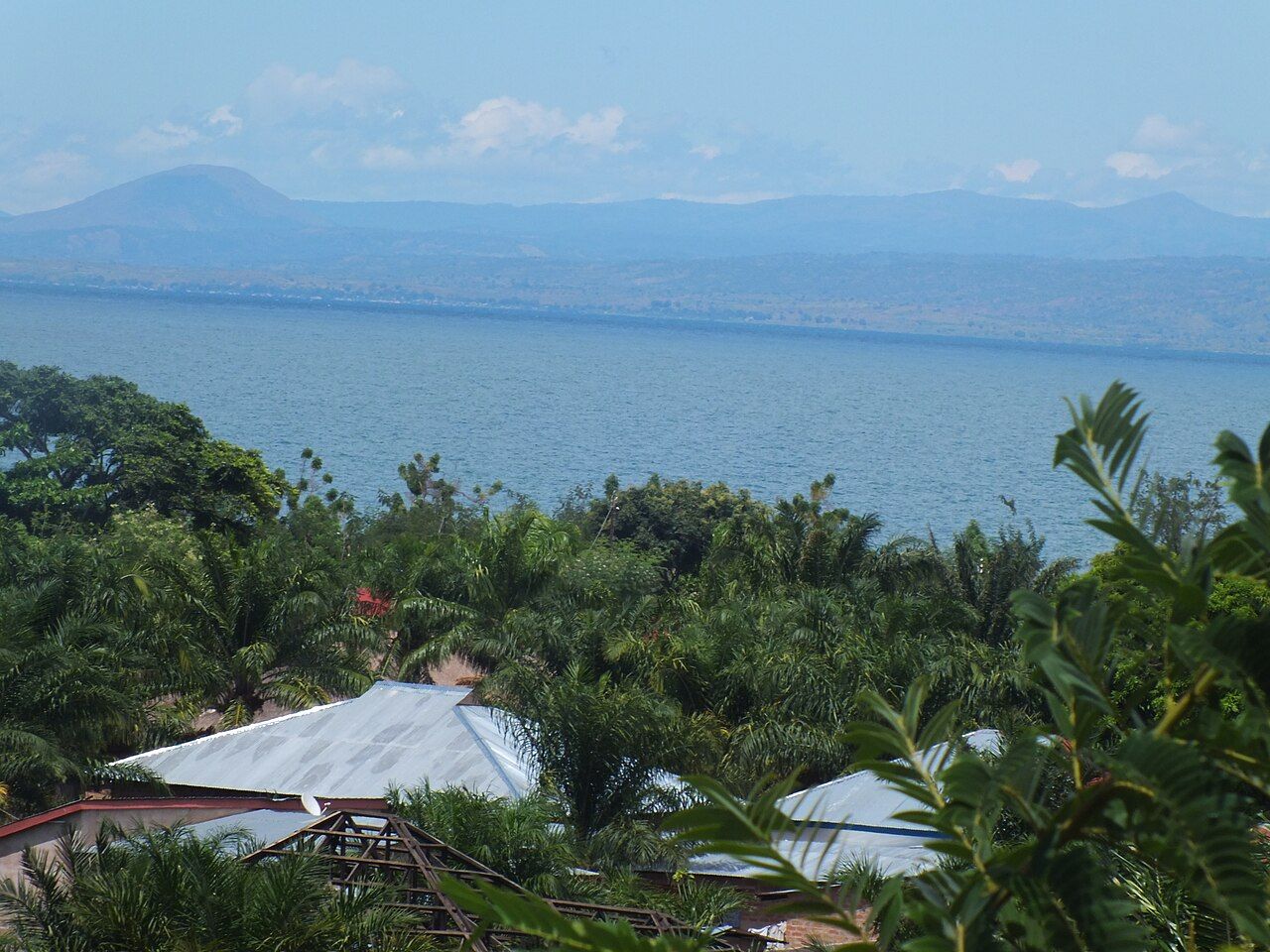
A walk up the Kakombe valley leads to a waterfall in the forest, a cool place to rest after the climb. Higher up, the ridge opens into grassland with views over the lake towards the hills of the Democratic Republic of the Congo on the far side, faint in the haze.
The lake at the door
Lake Tanganyika is one of the deepest lakes in the world and among the oldest. Its water is clear and its shoreline is mostly pebbles and sand, with fishing villages strung along the coast outside the park. Hundreds of species of small fish called cichlids live in the lake and nowhere else.
Evenings on the beach are calm. Fishing boats head out at dusk, their lamps appearing one by one on the dark water, and the forest behind you settles. Ask your guide whether swimming is advised near the beach and follow park rules; ask a doctor about water-borne illnesses before you travel.
Dry paths and wet valleys
The best time for tracking is the drier season, from about June to October, when paths are less slippery. In the wetter months the chimpanzees sometimes stay lower in the valleys, which can mean shorter walks, but rain makes everything harder. Either way, the slopes are steep, the heat is real and the paths are rough, so good shoes and some fitness help.
Photography is allowed, but flash is not, and the forest is often dim. A camera that copes with low light helps more than a long lens. Keep it simple, though: some of the best moments come when you lower the camera and simply watch a chimpanzee crack a nut, groom a friend or stare back at you for a long, thoughtful second.
Accommodation inside the park is simple and limited, and most visitors stay one or two nights. Plan a buffer day either side for boat delays, and do not expect cash machines or reliable card payment at the park; bring what you need from Kigoma. Bring a water bottle, a light rain jacket and a mask, and pack out every piece of rubbish you bring in. For the wider rules on visiting wildlife and communities, see the guide to visiting communities and wildlife responsibly. Further south along the same lake, the much wilder Mahale Mountains offer a longer, more remote version of the same experience.
Pictures here: fabulousfabs – CC BY; AmyAbroad – CC BY-SA; Orrling – CC BY-SA


