
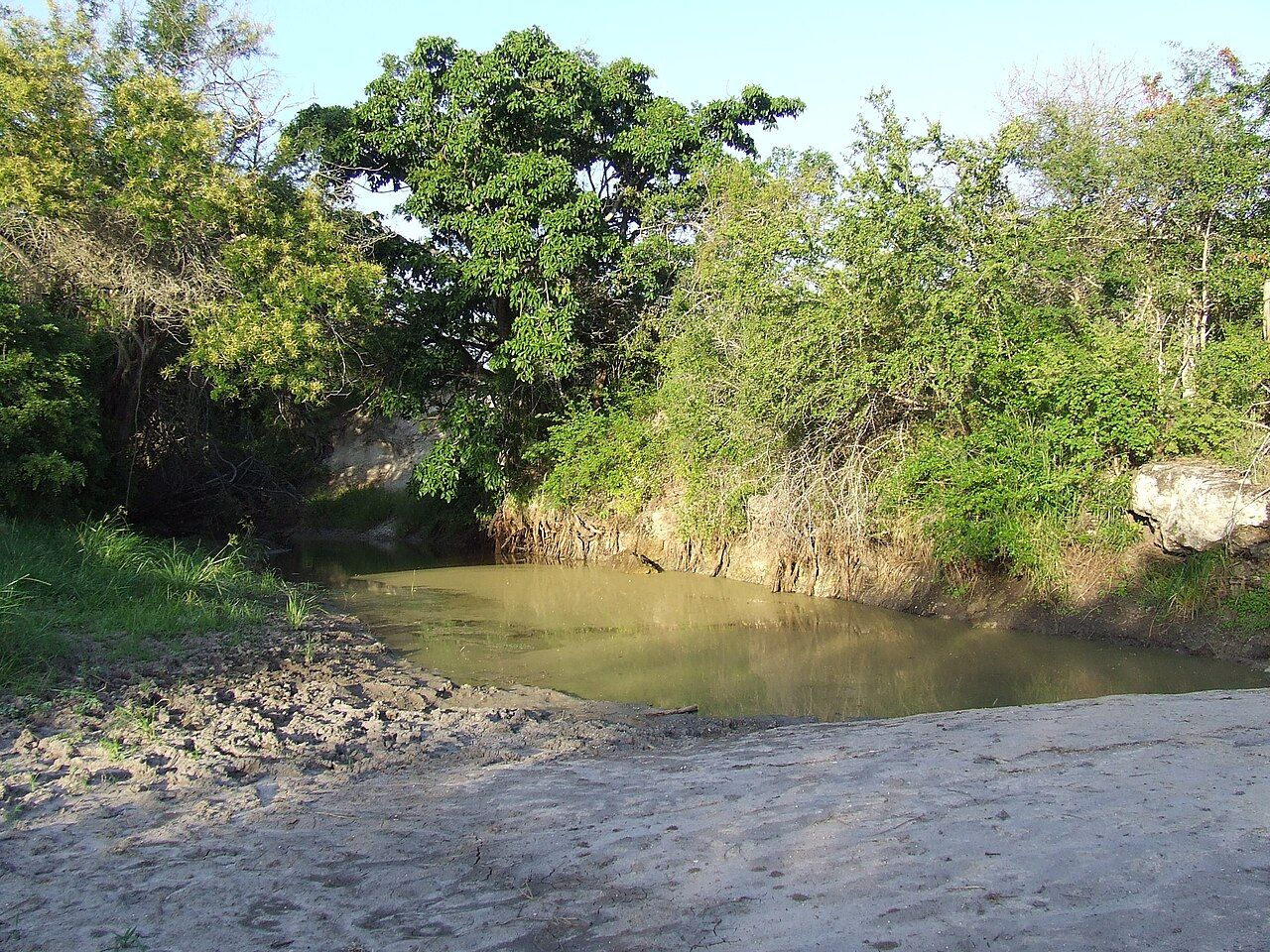
Mkomazi lies in north-east Tanzania, along the border with Kenya, where it meets Kenya's Tsavo West National Park. It is dry country: thorn bush, scattered baobabs, rocky hills and seasonal streams. On clear days the snowy summit of Kilimanjaro floats on the horizon to the north-west, and the Pare and Usambara mountains rise to the south.
For many years Mkomazi was a game reserve with a troubled history of overgrazing and poaching. It became a national park in 2008, and long-term conservation work has helped the land and wildlife recover. It still sees few visitors, which makes it a calm alternative to the busier parks of the north.
A dry landscape
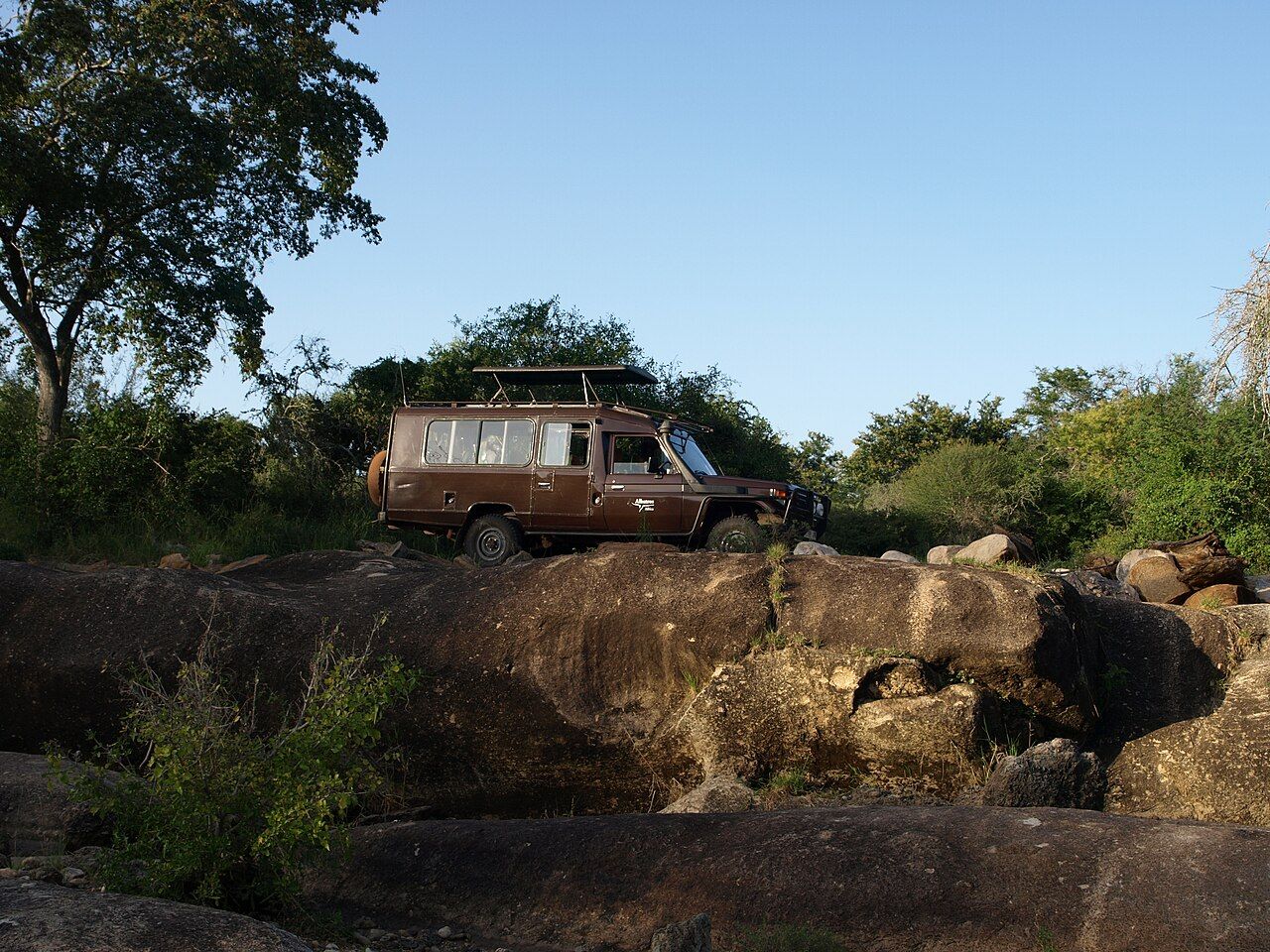
Mkomazi is part of a larger semi-arid ecosystem stretching into Kenya. Rain is low and irregular, and much of the year the bush is grey and leafless, turning briefly green after the rains. Granite outcrops break up the plain, and sandy riverbeds hold water in pools after storms.
The dry country suits animals adapted to it. Gerenuk, the long-necked antelope that stands on its hind legs to browse, live here, along with lesser kudu, fringe-eared oryx, Grant's gazelle and dik-dik. Elephants pass through, especially when they move between Tanzania and Kenya, and giraffe and zebra are often seen. Birdlife is rich, with many dry-country species.
Wildlife is thinner on the ground than in the famous parks, and sightings take patience. The rewards are in the quiet, the scenery and the sense of a place slowly coming back to life.
After the rains, usually from around November and again from March, the bush flushes green within days. Flowers appear on bare branches, birds begin to breed, and seasonal pools fill along the sandy riverbeds. The change is sudden and striking, though roads become harder to use and animals spread out widely.
The rhino sanctuary
Within the park is a large fenced sanctuary for black rhino. Black rhinos were nearly wiped out in Tanzania by poaching in the late twentieth century, and the sanctuary was set up to protect a breeding population. Animals have been brought here from elsewhere, and calves born in the sanctuary help rebuild numbers. Some rhinos from Mkomazi have been moved to other protected areas.
The sanctuary is closely guarded, and access for visitors is limited and arranged in advance. Even if you do not see a rhino, it is worth understanding the effort behind its protection.
Further on: Arusha National Park, a mountain on the doorstep
Wild dogs and other conservation work
African wild dogs, among the most endangered large carnivores in Africa, have also been the focus of conservation in Mkomazi. A breeding programme has raised dogs for release into the wild, helping to restore a species that once roamed widely here. Sightings of free-ranging wild dogs are rare, but their story is part of the park's identity.
Conservation groups have also worked with nearby communities on education and livelihoods, recognising that the park's future depends on the people who live around it. Ask about these projects when you visit; they are a good way to understand the region.
The story of Mkomazi is also a story about land. Before the reserve became a park, pastoralists grazed cattle across much of it, and their removal was difficult and remains a sensitive subject for some families nearby. Understanding that history makes the park's recovery more complicated, and more interesting, than a simple tale of wildlife returning.
Views of Kilimanjaro
One of Mkomazi's quiet pleasures is the view of Kilimanjaro. The mountain is often hidden by cloud and haze, but on clear mornings, especially in the dry season, it appears suddenly above the plain, with its snowfields catching the first light. Find a high point near the park entrance or on a rocky outcrop and wait.
Evenings bring their own rewards. As the heat fades, birds begin calling from the bush, dik-dik appear at the roadside, and the sky over the Kenyan border fills with colour. Nights are clear and very dark, and the stars are bright far from any town.
The Pare Mountains to the south also make a fine backdrop, and the light at the edges of the day turns the granite outcrops red and gold.
Same gate, basic camps
Mkomazi is reached by road. The main entrance is near the town of Same, on the highway between Moshi and the coast, a few hours' drive from Moshi or Arusha. Roads inside the park are rough and a high-clearance vehicle is wise, especially after rain.
Driving within the park is slow, and distances between points of interest can be long. Plan a full day at least, or better two, so that you can be out in the cool of early morning and late afternoon and rest through the heat in between. Stick to marked tracks, and keep to the speed limits set by the park.
Facilities are basic and few. Bring water, food and fuel, and expect limited phone signal. Park fees apply. Tsetse flies can be present, and long, light-coloured clothing helps. Ask a doctor about malaria before your trip.
The best time to visit is the dry season, from about June to October, when roads are easier and animals gather near water. Mkomazi pairs well with the cool hills of the Usambara to the south-east, and the guide to dry seasons and rains helps with timing.
Pictures here: Nicola Avery – CC BY-SA; Nicola Avery – CC BY-SA

